Wind noise, tire noise, engine noise: Where are the sound-absorbing materials hidden that make a car quiet?
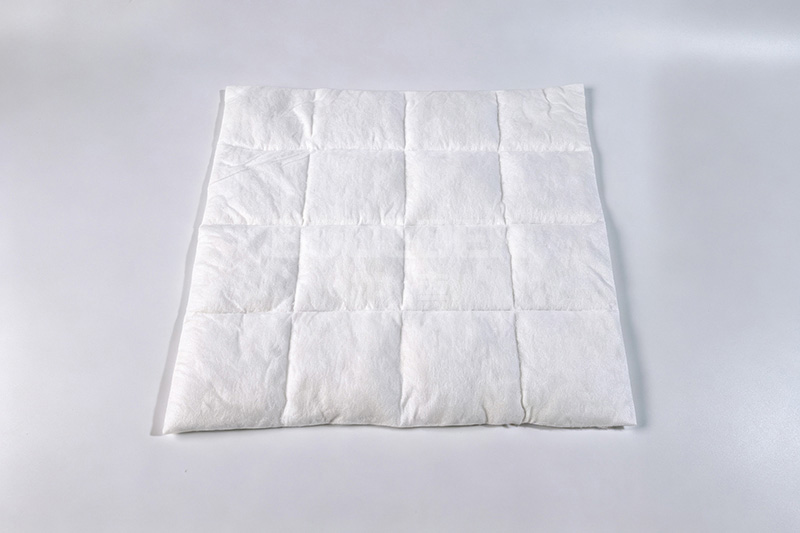
The performance of interior noise, vibration and sound vibration roughness (NVH) has become one of the key indicators for evaluating the quality of a vehicle. Automotive Sound Absorbing Felt as the basic material in the NVH acoustic package, is applied throughout multiple parts of the vehicle body. Lianyungang Boulder Industrial Co.,Ltd.., relying on its technical accumulation in non-woven fabric, has sorted out the functional requirements for automotive sound-absorbing materials. This article explains the main uses of automotive sound-absorbing cotton, helping readers understand the practical role of this material in vehicle engineering.
The sources of interior noise can be summarized into several main pathways. Mechanical noise and combustion noise generated by the engine transmission through the firewall, front panel and engine hood area to the cabin; when the vehicle is traveling at high speed, air flow friction against the vehicle surface forms wind noise, which penetrates into the cabin through the door sealing strips and sheet metal gaps; tire noise and road noise generated by the contact between tires and the road surface, and road excitation-induced road noise, are transmitted into the cabin through the chassis and wheel housing. In addition, the cavities of the vehicle doors and trunk compartments are prone to form low-frequency resonance at specific vehicle speeds, causing a deafening sensation; excessive interior reverberation also affects the clarity of speech. After the absence of engine masking effect in new energy vehicles, road noise and wind noise are perceived more prominently, and the acoustic treatment requirements accordingly increase. It should be noted that the treatment methods for different frequency bands of noise are different: porous sound-absorbing materials have a higher absorption efficiency for mid-high frequency air sounds and limited absorption for low-frequency air sounds; structural vibration is mainly handled by damping materials.
The core function of Automotive Sound Absorbing Felt is to absorb sound waves, weaken mid-high frequency air sounds in the cabin, reduce the echo in the sheet metal cavities, and optimize the driving and passenger environment. Filling automotive sound-absorbing cotton in the interior cavities of vehicle doors can absorb the mid-high frequency noise reflected inside the door, assist in suppressing the resonance in the door cavity during driving, and improve the noisy feeling caused by the transmission of wind noise. Sound-absorbing cotton is added to the roof, A/B/C pillars, and the trunk area to weaken the mid-high frequency components of high-speed wind noise and improve the interior quietness.
Chassis, wheel arches, trunk, and spare tire compartments are also common installation locations for Automotive Sound Absorbing Felt. Road noise and road noise generated by the movement of the road surface enter the cabin through the gaps between the chassis and wheel housing in the form of air sounds, and the mid-high frequency part can be consumed and attenuated by the porous structure of the sound-absorbing cotton; the structural vibration of the chassis sheet metal needs to be handled together with damping materials, with the sound-absorbing cotton playing an auxiliary role. The engine compartment and firewall areas are equipped with sound-absorbing and heat-insulating cotton to absorb mid-high frequency noise generated by engine operation and provide a certain heat insulation effect, reducing heat transmission to the cabin, and such applications have clear requirements for flame retardancy and temperature resistance. After filling automotive sound-absorbing cotton in the vehicle door cavities, it can absorb some mid-high frequency sound waves, making the closing sound more stable; with reasonable material selection and installation, using a waterproof and mold-resistant product can help reduce the erosion of condensation in the cavities on the sheet metal. The ceiling area often uses non-woven fabric type sound-absorbing materials to absorb the interior reverberation while controlling the vehicle weight.
Lianyungang Boulder Industrial Co.,Ltd. specializes in providing automotive sound insulation cotton supplies. Based on the acoustic plans of customers and the installation space, we can customize different weights and thicknesses of automotive sound insulation cotton products. The flame retardant and temperature resistance properties can be matched according to customer requirements. We supply products to automotive interior manufacturers and vehicle component supporting enterprises. If you have any requirements for purchasing automotive sound insulation cotton or requesting samples, you can contact Baidi Industrial to discuss samples and technical parameters.
Boulder was founded in 2007, with its headquarters located in Los Angeles, USA. It is an international enterprise specializing in the research and development, production and solution services of high end nonwoven fabric materials. Its products cover medical nonwovens, hygiene nonwovens, filter media nonwovens, automotive nonwovens and other fields.
Currently, in China, there are Lianyungang Boulder Industrial Co.,Ltd.、Jiangsu Boulder Filtration Technology Co., Ltd.、Hubei Boulder Material Technology Co., Ltd.、Boulder(Hubei)Auto Materials Co., Ltd.The company has deeply focused on the fields of medical, hygiene care, filter materials and industrial materials, and is committed to providing global customers with high performance, high stability, high value added nonwoven fabric products and systematic solutions.