Car Sound Absorbing Cotton Purchasing Guide: Don't focus on fancy features; master theseSkip the Gimmicks: Focus on These Fundamentals
Whether you drive or ride in a car, you know there's a significant amount of noise inside. This includes engine noise, tire noise from road friction, noise from airflow at high speeds, and other noises generated by the vehicle itself.
The sources of various noises are: engine noise originates from its own rotational speed, while resonance noise comes from the refraction and overlap of sound within the vehicle body.As autumn arrives and the weather cools, the temperature difference between the inside and outside of the vehicle increases, making noise perception more noticeable.
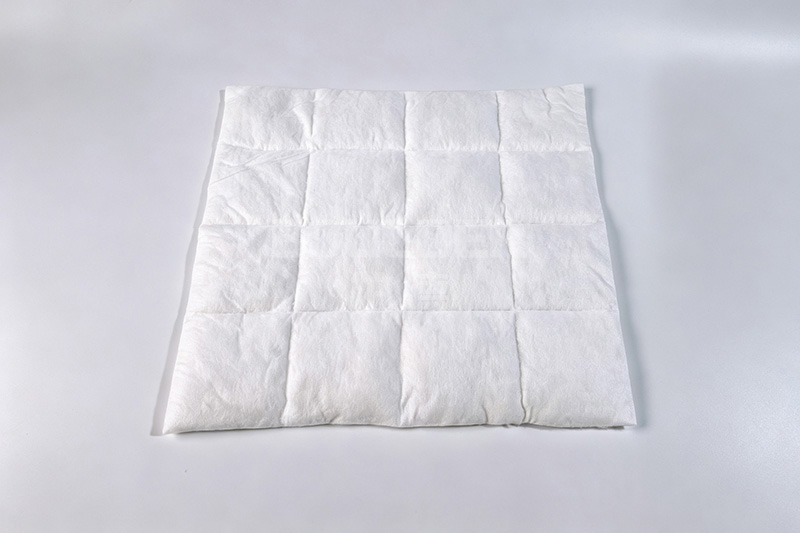
Automotive sound-absorbing cotton, a commonly used material for sound optimization, is widely used in car doors, hoods, headliners, wheel arches, etc., effectively reducing wind noise, tire noise, and resonance noises inside the car. For manufacturers who directly purchase materials, judging the quality of sound-absorbing cotton is a crucial step in product selection.
First, we need to understand, what is Automotive sound-absorbing cotton?
Automotive sound-absorbing cotton: When noise penetrates sound-absorbing cotton, sound waves are constantly reflected and folded between the densely packed fibers inside the cotton, forcing air molecules to move violently, and the sound energy is forced to be converted into heat energy and dissipated.
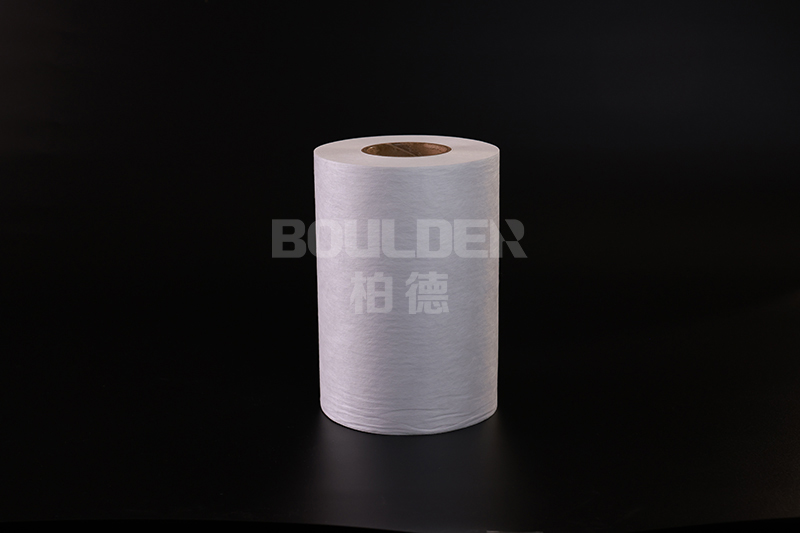
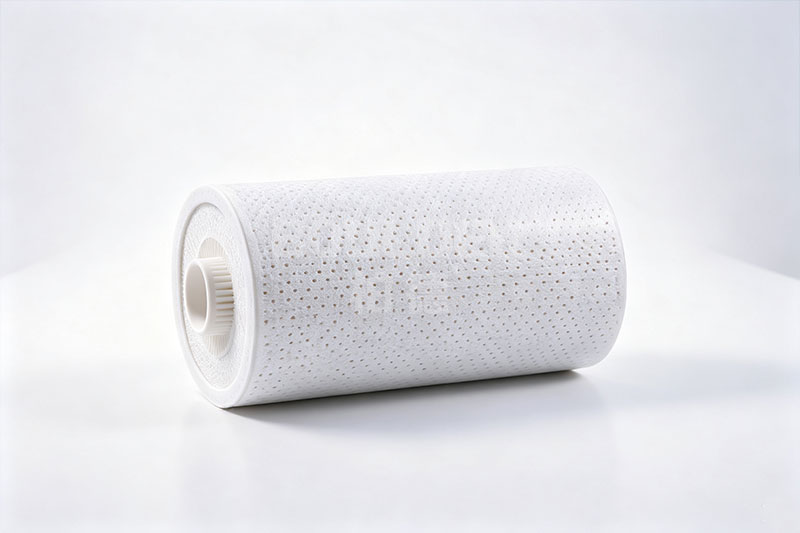
Automotive sound-absorbing cotton product process: PP meltblown fibers are laminated within a PET base fabric and then solidified using hot air to create a high-loft, fluffy cotton.
Applications of automotive sound-absorbing cotton: Door interior panels (to combat wind noise and environmental noise), wheel covers/fender linings (to combat tire noise, road noise, and gravel impact noise), engine hood (to combat engine noise). Automotive sound-absorbing cotton specifications, installation methods, material differences, noise reduction effects, and manufacturers are all relevant.
The noise reduction effect of sound-absorbing cotton is closely related to its material density, thickness, and bonding method. When purchasing in bulk, it is recommended to understand: Does the supplier have a stable quality control process?
Can they provide customized thickness, adhesive backing, or lamination solutions to meet customer needs? Stable process control capabilities are the foundation for ensuring consistent quality between batches.If you have any Automotive sound-absorbing cotton purchasing needs or technical questions, please contact Lianyungang Boulder Industrial Co., Ltd. for discussion.