Must-read for buyers: how to judge the internal quality of soft non-woven fabric from its appearance and feel?
When purchasing soft nonwoven fabrics, simply looking at the manufacturer's test reports is far from enough. Beyond laboratory data, simple visual inspection, touch, and smell can often quickly eliminate a batch of substandard materials—a fundamental skill for experienced buyers.
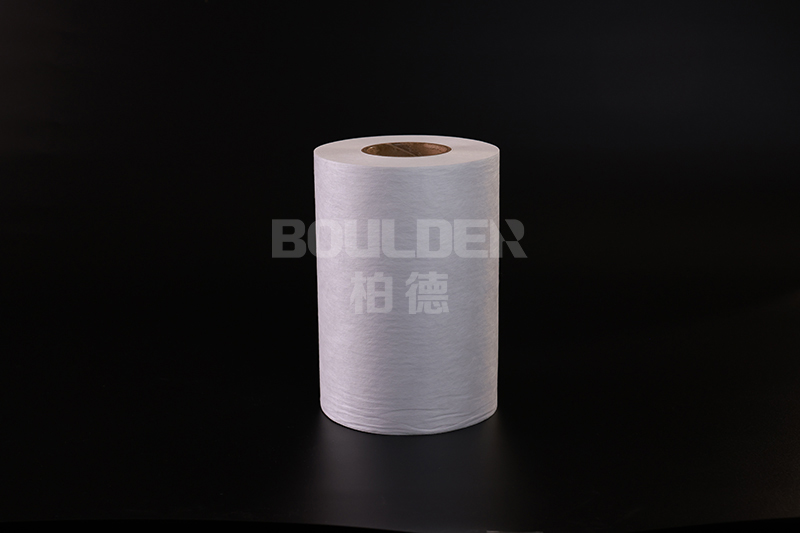
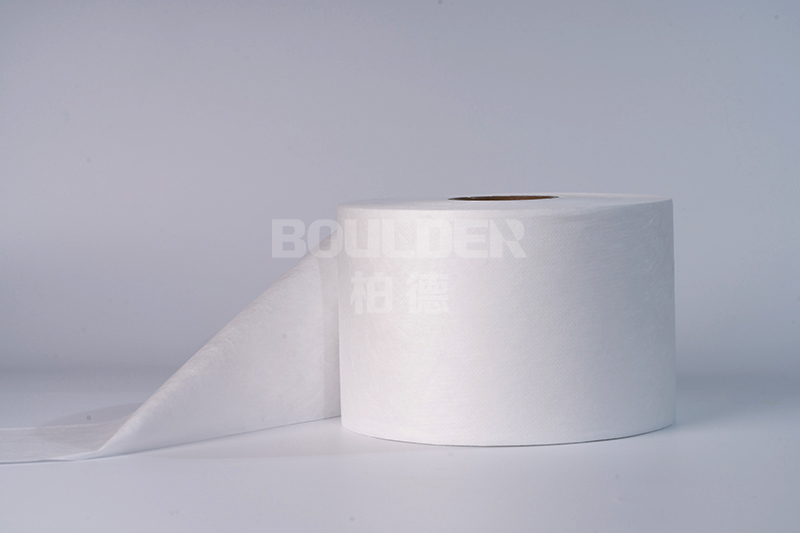
Step 1: Examine the Fabric Surface and Check for Uniformity. Take a roll or sample of fabric and lay it out under natural light for observation. Good soft nonwoven fabric has a clear texture, even fiber distribution, and no obvious unevenness in thickness, wrinkles, or localized pilling. If the fabric surface has regular horizontal or vertical stripes, there may be a problem with the carding or web-forming process; such products are prone to breakage or poor adhesive absorption during subsequent processing.
Step 2: Feel the Texture and Check for Elasticity. A softer feel doesn't necessarily mean better. Truly good soft nonwoven fabric should have a "loose resilience," meaning that after being grasped and released, the fabric surface should quickly return to its flat state, rather than clumping together in a soft, limp manner. If a fabric feels "chaffy" or excessively slippery, be cautious—the former may indicate insufficient fiber strength, and the latter may indicate excessive softener, both of which will affect the stability of subsequent processing. Step 3: Smell and Observe Color Change
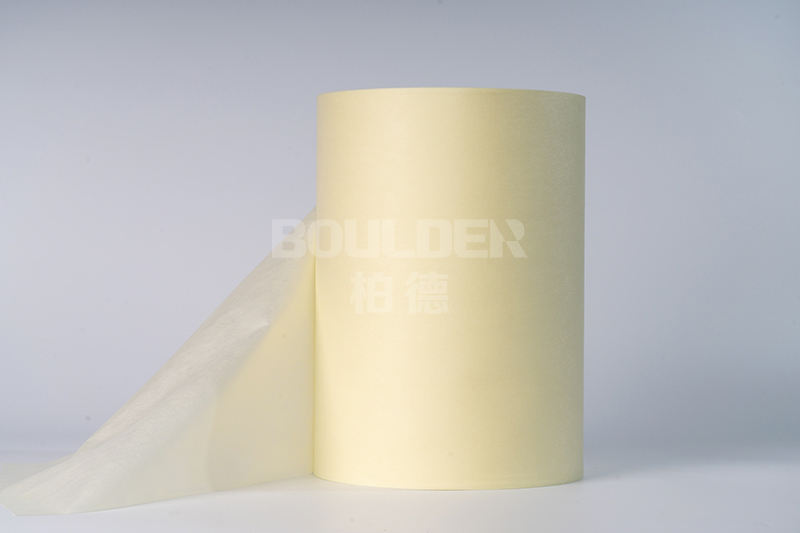
The most direct way to judge is to fold the sample in half, bring it close to your nose, breathe on it, and smell it. High-quality soft nonwoven fabric should not have a sour smell, an ammonia smell, or a gasoline-like odor. You can also place the sample near a window for two or three days and observe if there is a significant color change. Products with poor weather resistance will yellow after exposure to light, which is often related to insufficient antioxidant content in the raw materials.
Step 4: Test Tensile Strength and Elasticity
Hold the fabric on both sides and slowly pull it apart. High-quality nonwoven fabric will feel uniform resistance when stretched, and the edges will be relatively clean when it breaks. Products with impure raw materials or uncontrolled processes often show localized thinning or slippage when stretched, and the edges will be irregular and burr-like after breaking.If you have purchasing needs for soft nonwoven fabric or have technical questions, please contact Lianyungang Baide Industrial Co., Ltd. for discussion.Soft nonwoven fabric: A functional nonwoven material characterized by its "softness, skin-friendliness, comfort, and breathability." Through raw material modification and fiber refinement, the material's tactile feel is enhanced, and it is widely used in the medical, hygiene, and consumer goods sectors.Soft nonwoven fabric manufacturing process: Raw material modification: PP raw material → addition of softening masterbatch → high-temperature melt extrusion → spinning → cooling/hot air stretching → web forming → hot rolling reinforcement → winding.Soft nonwoven fabric
applications: Baby diapers/pull-up pants outer layer, feminine hygiene products, adult diapers/nursing pads.As a company specializing in medical and hygiene materials, Lianyungang Baide Industry is deeply involved in the R&D and production of soft nonwoven fabrics. We are committed to providing customers with stable and high-quality product options. If you have any purchasing needs, please feel free to contact us for details.