Soft Nonwoven Fabric Purchasing Guide: How to Distinguish Between Good and Bad Quality?
With the start of the school season approaching, downstream manufacturers of hygiene products and maternal and infant care products are entering their peak stocking season. Faced with the inconsistent quality of soft nonwoven fabrics on the market, how can procurement personnel judge the true quality of materials beyond their "softness" appearance? This article provides a reference from three dimensions:
Step 1: Look, Touch, Smell
Step 2: Inspect, Pull, Ask
Step 3: Observe Stability, Observe Service
For procurement, a single batch of samples passing inspection is just the beginning. Truly worthwhile long-term partners value the stability of performance between batches and the speed of response to urgent orders. This requires examining the supplier's process control capabilities and supply chain resilience.
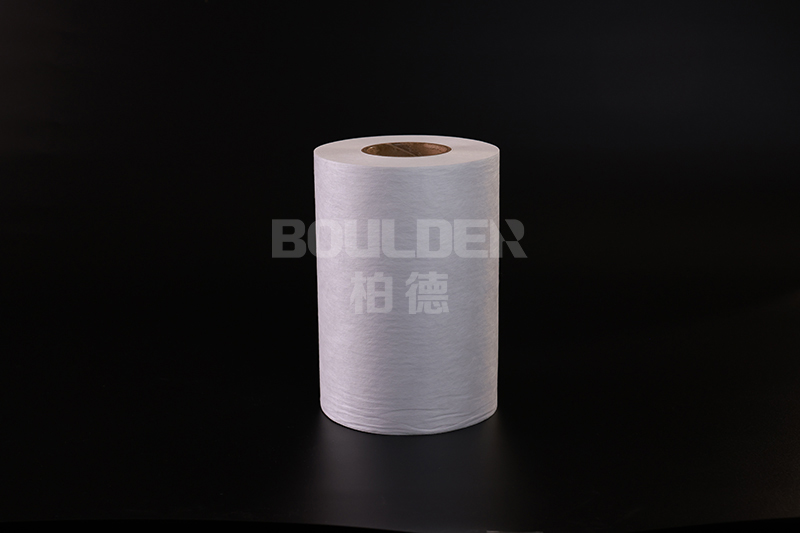
Soft Nonwoven Fabric: A functional nonwoven material with "softness, skin-friendliness, comfort, and breathability" as its core characteristics. Through raw material modification and fiber refinement, the material's tactile feel is improved, and it is widely used in the medical, hygiene, and consumer goods fields.
Soft Nonwoven Fabric product manufacturing process: Raw material modification: PP raw material → addition of softening masterbatch → high-temperature melt extrusion → spinning → cooling/hot air stretching → web forming → hot rolling reinforcement → winding.
Applications of Soft Nonwoven Fabrics: Baby diapers/pull-up diapers, feminine hygiene products, adult diapers/nursing pads.
As a company specializing in medical and health materials, Lianyungang Boulder Industry is deeply involved in the R&D and production of soft nonwoven fabrics. We are committed to providing customers with stable and high-quality product options. If you have any purchasing needs, please feel free to contact us for details.