Healthcare, agriculture, packaging, home furnishing: the multi-scenario penetration of spunbond non-woven fabric
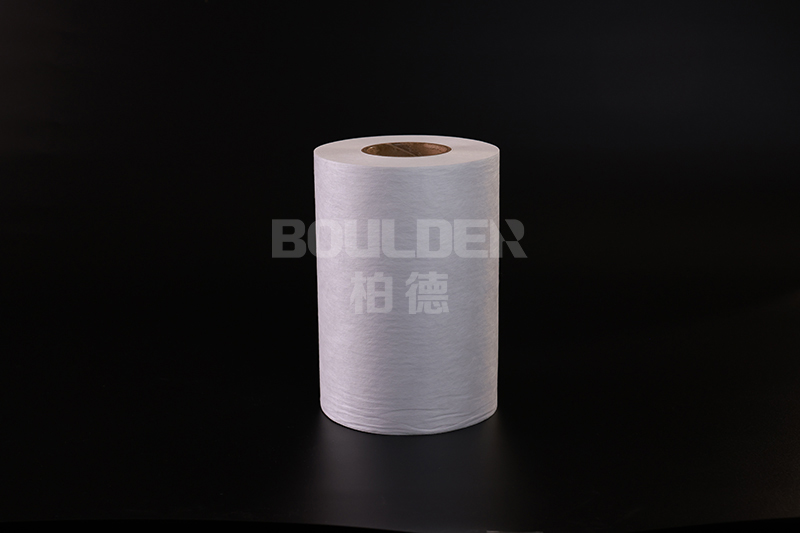
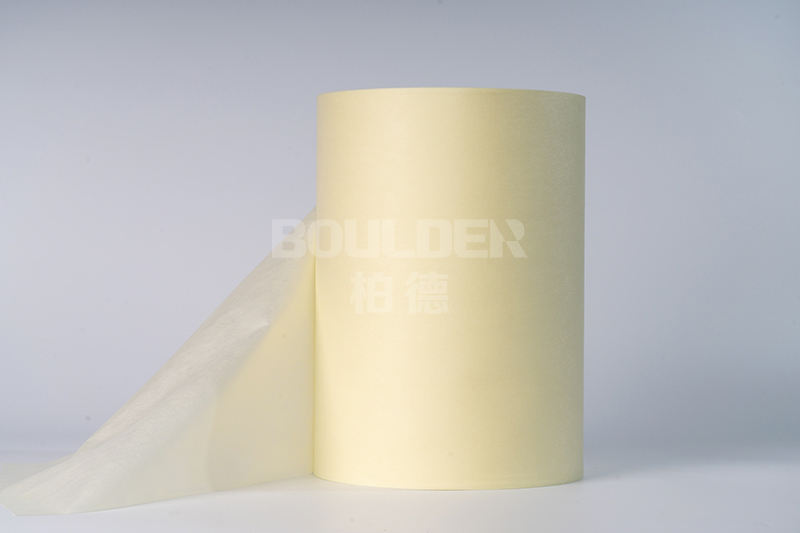
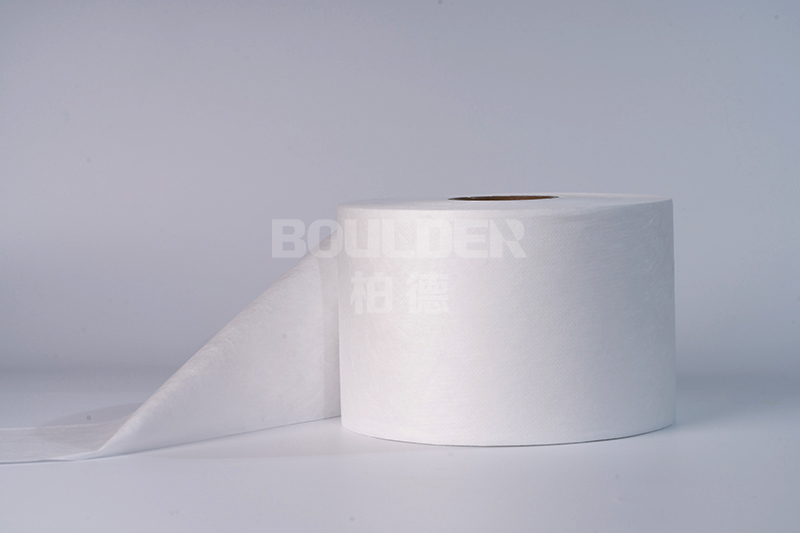
In the application fields of non-woven materials, spunbond non-woven fabric, due to its mature production process and wide range of applicable materials, is applied in various scenarios such as healthcare, packaging, agriculture, home furnishing, and industrial materials. Different from traditional textile materials, spunbond non-woven fabric does not need to go through traditional spinning and weaving processes. Instead, it forms sheet-like materials with certain strength and structural stability through processes such as spinning, net formation, and reinforcement.
Production characteristics of spunbond non-woven fabric
The production of spunbond fabric usually uses high molecular materials such as polypropylene as the main raw material. It forms continuous long fibers through melt extrusion, and then undergoes stretching, laying of the net, and reinforcement by heat rolling, needle punching, or other methods. The entire production process has continuous characteristics and can adjust the fineness, weight, width, and material properties of fibers according to product requirements.
In actual production, factors such as raw material ratio, melt temperature, spinning state, stretching conditions, and net uniformity will all affect the quality of the finished product. Therefore, for different application needs, it is necessary to make reasonable adjustments based on production equipment and process conditions.
Product performance and application are interrelated
Spunbond non-woven fabric has good flexibility and certain tensile strength, and also has the characteristics of breathability and lightness. By adjusting the production formula and processing methods, corresponding weights, thicknesses, and hand-feel can be designed for different uses.
In the healthcare field, it can be used for some protective products and hygiene materials; in the agricultural field, it can be used for crop covering and protection in scenarios; in the packaging industry, it can be used for shopping bags and packaging materials; in home and daily-use products, it can also be processed into different forms of materials according to actual needs.
As the application scope of non-woven materials continues to expand, spunbond non-woven fabric is also developing towards functional specialization and diversified applications. For production enterprises, adjusting product specifications and processing methods according to the usage requirements of different customers can help the materials better match actual application scenarios and provide a stable material foundation for subsequent processing.
Bode was founded in 2007, with its headquarters located in Los Angeles, USA. It is an international enterprise specializing in the research and development, production and solution services of high-end non-woven fabric materials. Its products cover medical nonwovens, hygiene nonwovens, filter-media nonwovens, automotive nonwovens and other fields.
Currently, in China, there are Lianyungang Boulder Industrial Co.,Ltd.、Jiangsu Boulder Filtration Technology Co., Ltd.、Hubei Boulder Material Technology Co., Ltd.、Boulder(Hubei)Auto Materials Co., Ltd.The company has deeply focused on the fields of medical, hygiene care, filter materials and industrial materials, and is committed to providing global customers with high-performance, high-stability, high-value-added non-woven fabric products and systematic solutions.