Autumn/winter purchasing reminder: understand these basic concepts of antistatic nonwoven fabrics first!
As autumn arrives and the weather becomes drier, static electricity problems begin to emerge. In daily life, static electricity is generated by the peeling of plastic films and the friction of synthetic fiber clothing. Non-woven fabrics are mostly made of polymer materials, which are good insulators. The charges generated by friction are not easily discharged and accumulate on the material surface. This accumulation is more pronounced in dry environments.
Static electricity causes many problems: it attracts dust, affecting cleanliness; it causes electric shocks during use; and it can even pose a safety hazard in certain special work scenarios. Therefore, it is practically necessary to require anti-static properties in some product applications.
Two Types of Antistatic Nonwoven Fabric:
Anti-static non-woven fabrics on the market can be broadly divided into two categories based on their implementation method:Internal Additive Type: The anti-static agent is mixed into the polymer during the melt spinning stage of the raw material. The advantage of this method is that the anti-static component is evenly distributed inside and on the surface of each fiber, resulting in a longer-lasting effect that is less prone to attenuation due to friction and washing.
It is suitable for products with high requirements for anti-static lifespan.Post-treatment Type: The anti-static agent is sprayed or impregnated onto the surface of the finished non-woven fabric. The process is relatively simple and the cost is low, but the antistatic components mainly adhere to the surface, and the effect may weaken after repeated friction or prolonged placement. It is suitable for short-term use or scenarios where durability is not a primary concern.
Therefore, when purchasing, it's advisable to specifically ask: How does this product perform in the dry autumn and winter seasons? Professional suppliers will usually provide a clear explanation. For specific needs or technical questions, please contact Lianyungang Baide Industrial Co., Ltd. for discussion.
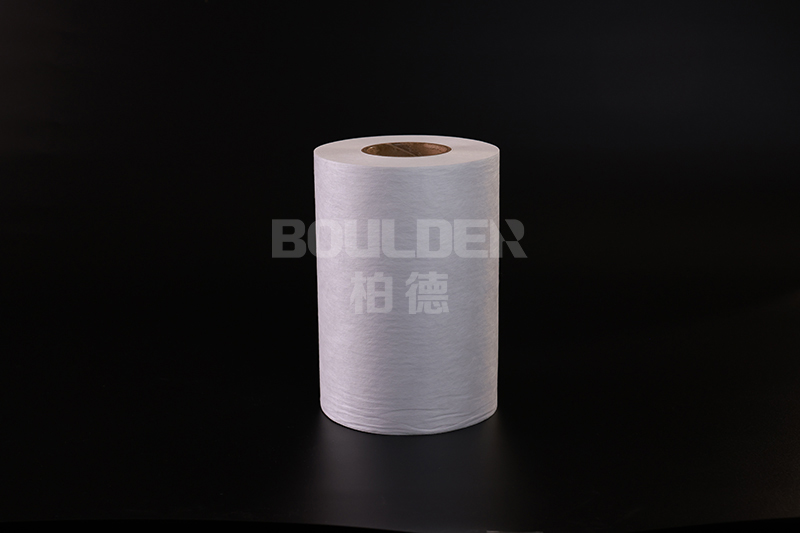
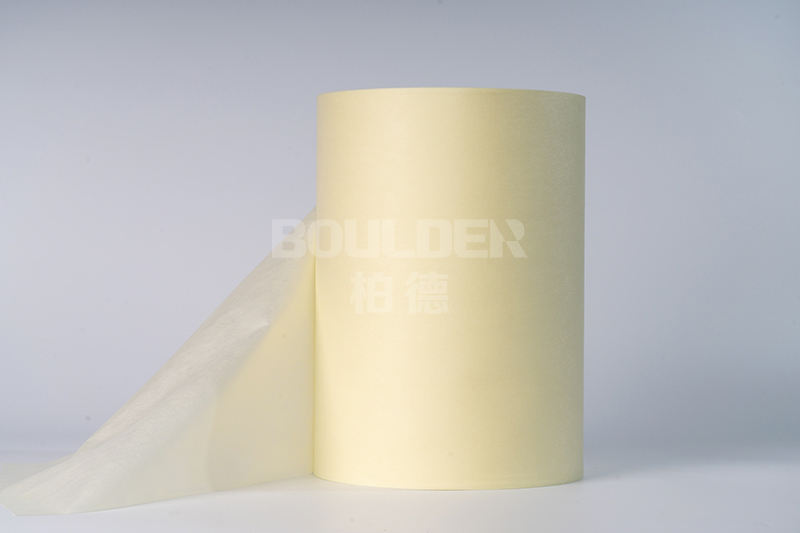
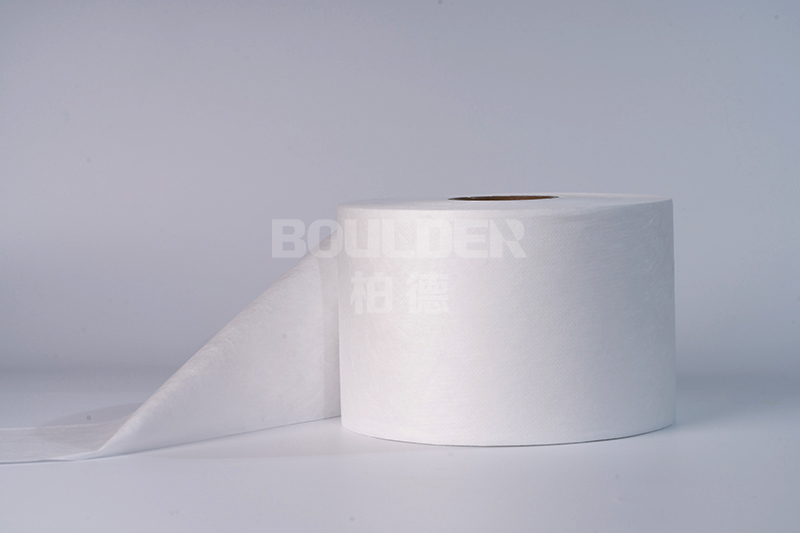
Antistatic Nonwoven Fabric: By adding antistatic masterbatch or antistatic oil, static electricity accumulation can be effectively reduced: preventing dust adsorption, reducing electrostatic discharge, improving the safety of clean environments, and enhancing wearing comfort.
Antistatic Nonwoven Fabric Product Process:Raw Material Modification: PP raw material → Addition of antistatic masterbatch → High-temperature melt extrusion → Spinning → Cooling/hot air drawing → Web forming → Hot rolling reinforcement → WindingOnline Antistatic Impregnation Treatment: PP raw material → High-temperature melt extrusion → Spinning → Cooling/hot air drawing → Web forming → Hot rolling reinforcement → Functional additives and antistatic oiling → Drying and setting → WindingApplications of Antistatic Nonwoven Fabric: Protective clothing, cleanroom garments, medical packaging, surgical gowns, isolation gowns, etc.