When purchasing punched non-woven fabric in the fall, pay attention to these details!
With the start of the school season, downstream manufacturers of hygiene products and baby care products are entering their peak production season. As a surface material, the Punched non-woven fabric's pore design and quality stability directly affect the user experience of the final product.
High-quality Punched non-woven fabric should have clear, regular, and uniformly sized pores, arranged evenly and orderly, without obvious deformation or adhesion. The width of the "bridge" (the solid portion between adjacent pores) should be basically consistent; uneven width will lead to unstable liquid seepage rates. If inconsistent pore sizes, burrs on the edges, or poor welding are found, it is necessary to be wary of potential equipment or process problems.
After sample approval, bulk purchases require close monitoring of the production process. It is recommended to inquire with the supplier about: the maintenance cycle of the perforation mold; whether the pore diameter and spacing are monitored online during production; and whether the sample retention and testing records for each batch are complete. The precision and maintenance level of the mold directly determine the consistency and lifespan of the product.
The selection of Punched non-woven fabric is related to the dryness and comfort of the final product. Understanding the above points will help make more informed decisions during procurement. If you have any purchasing needs or technical questions regarding perforated nonwoven fabrics, please feel free to contact Lianyungang Baide Industrial Co., Ltd.
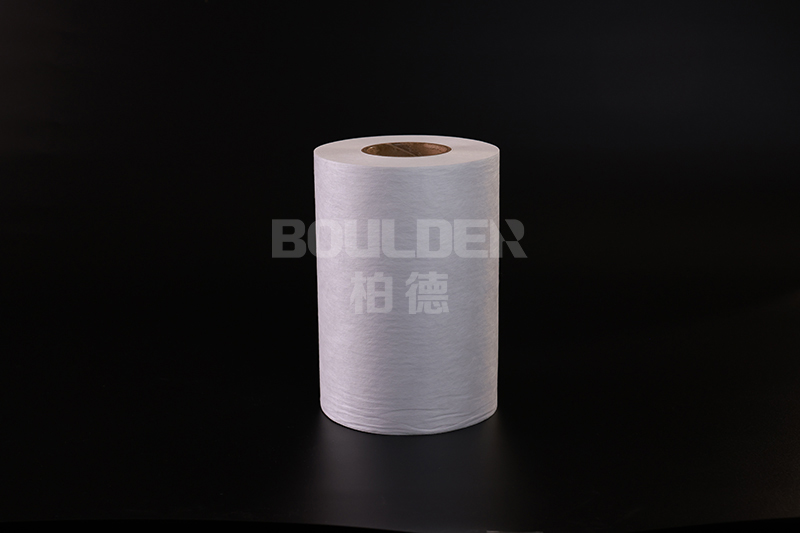
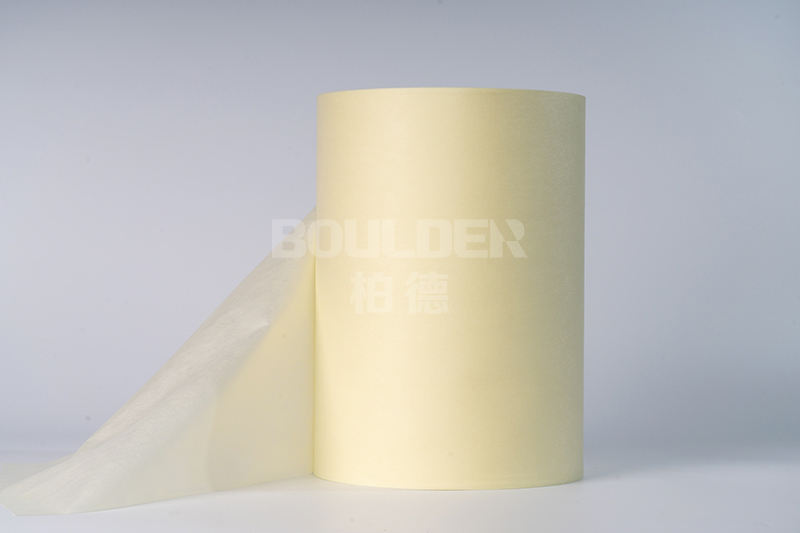
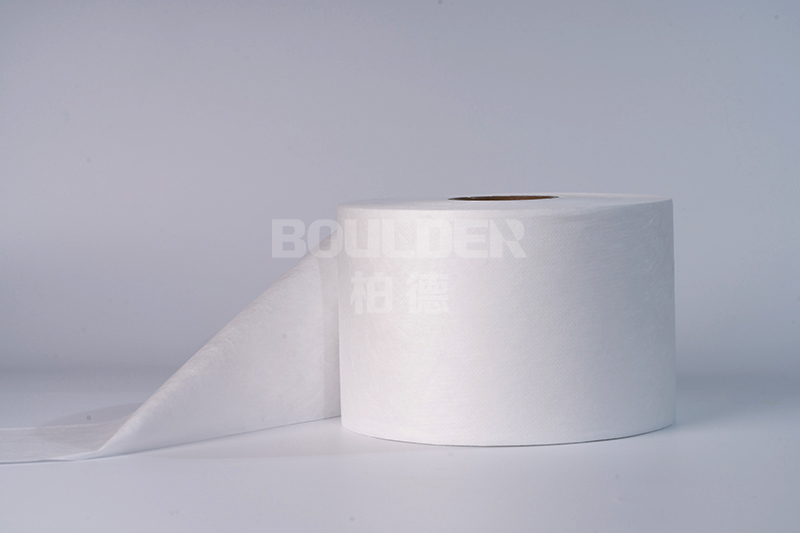
Lianyungang Boulder Industrial Co., Ltd.'s perforated nonwoven fabrics are functional materials that form regular or irregular microporous structures on the surface of nonwoven fabrics through processes such as mechanical processing, hot pressing, hydroentangling, or needle rollers. This improves breathability, enhances airflow, improves softness, and enhances dryness and comfort.
Perforated nonwoven fabric product process: Nonwoven fabric substrate → Mechanical processing, hot pressing, etc. → Winding.
Applications of perforated nonwoven fabrics: Diaper top layer, adult incontinence pad top layer.